Research at Lehigh
Strategies & design across mediaMy favourite part of working in marketing and communications for higher-ed is that it involves showcasing—and therefore learning about—incredible research coming out of a university. This is a sample of the work I’ve developed to make Lehigh’s various stakeholder groups aware of the university’s research prowess and opportunities available to them.
Specs & RecognitionClient: Lehigh University
Scope: Concepts, copywriting/copyediting, design and animation
Recognition: CUPPIE Awards | Digital Media, Social Media Campaign (Silver)
WebReaching All Key Stakeholders
When user behaviour analytics showed that a large percentage of the visits to Lehigh’s Research site were driven by question-based prompts, creative director Kurt Hansen and I saw an opportunity to build the landing page around this trend. I wrote question-based headings that mirrored real search queries—making Lehigh’s research more discoverable through organic search while reinforcing the spirit of inquiry that lies at the heart of research—and designed the page using the web system I developed.
Instagram PostsReaching the Lehigh Community, Current & Prospective
While Lehigh is well known for its engineering programs, its strengths in other fields are less widely recognised. I’ve developed content for the university’s Instagram grid to make the cross-disciplinary research happening here a persistent part of the conversation.
Instagram StoriesReaching Undergraduate Students
Undergraduate students at Lehigh are allowed to participate in hands-on research. I conceptualised and designed social media campaigns to make this audience aware of, and excited about, the cutting-edge work they could be a part of here.
Email CampaignsReaching Higher-Ed Leadership
Lehigh communicates with peer institutions via email. In the run up to election season, I pitched and developed the idea of highlighting Lehigh researchers’ work on various issues challenging American voters. Readers were encouraged to seek varied perspectives across multiple sources to inform their opinion around these topics.
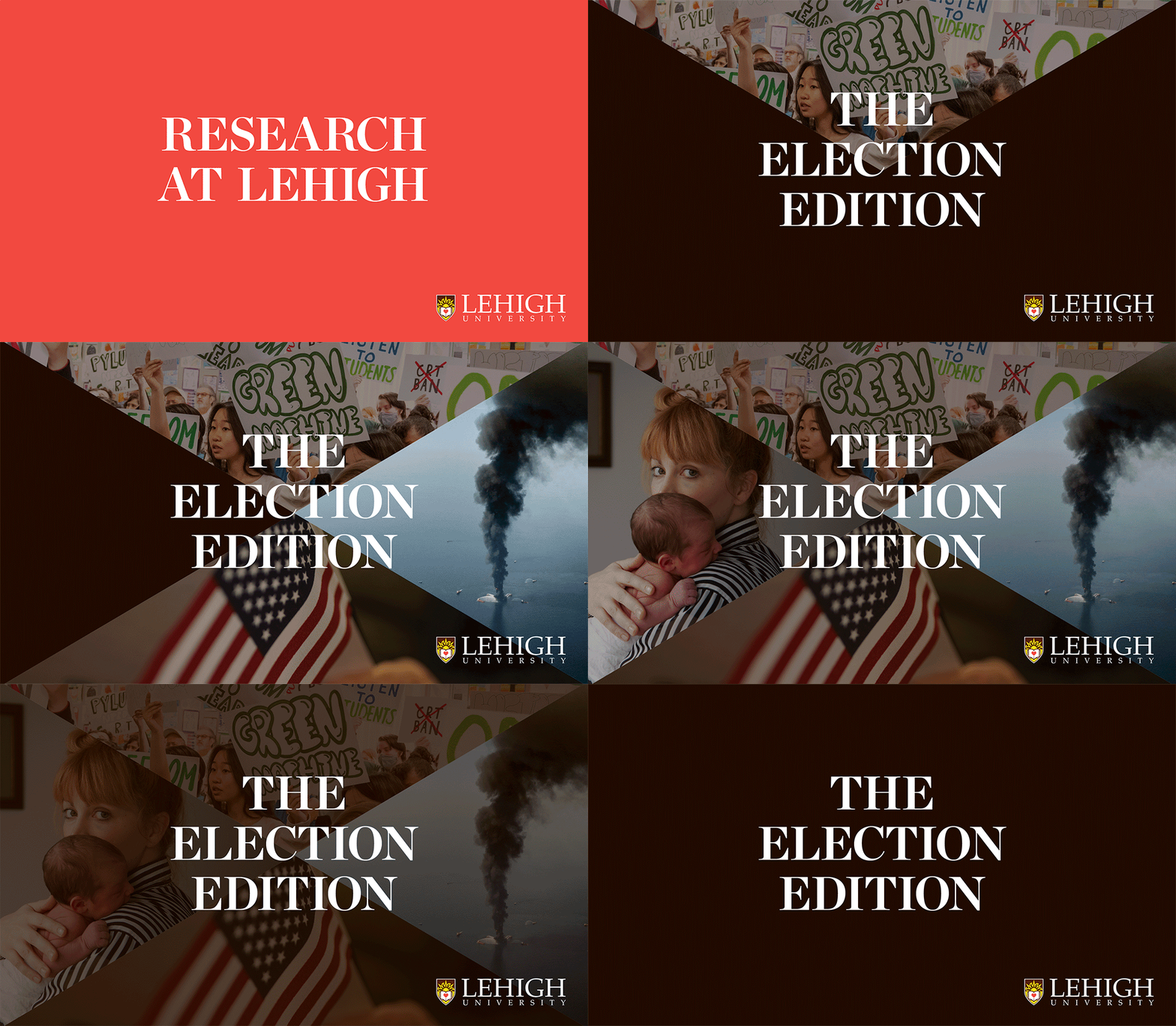
Photo EssaysReaching Researchers
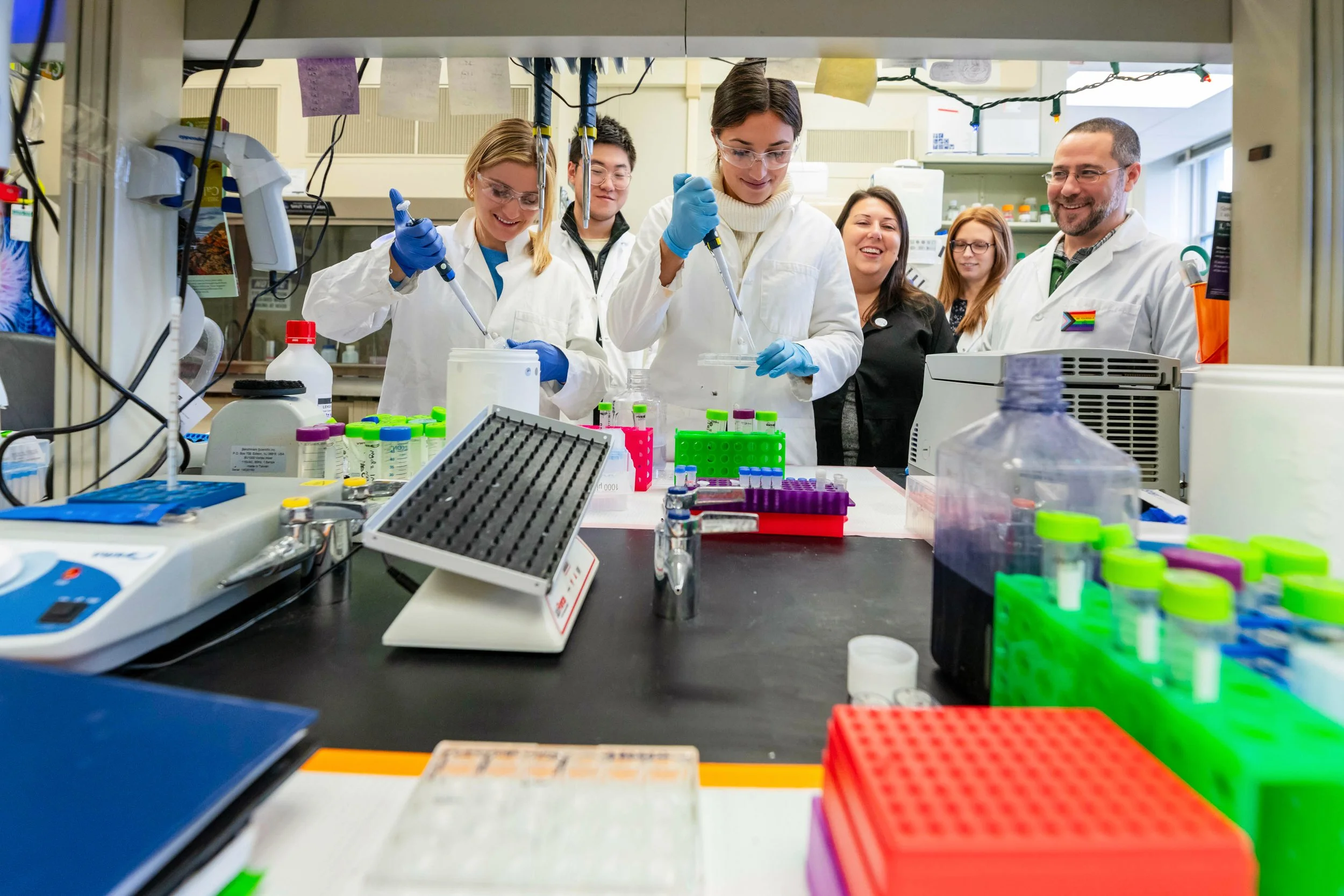
I find it incredibly valuable to adapt work created for one channel into others, making efficient use of existing resources and extending their reach. The example below began with me art-directing a photoshoot for a news article and led to a photo essay that used outtakes to give prospective researchers an authentic sense of what working in Lehigh’s labs looks and feels like. You can see the essay, featuring photography by Christa Neu, in its entirety here.